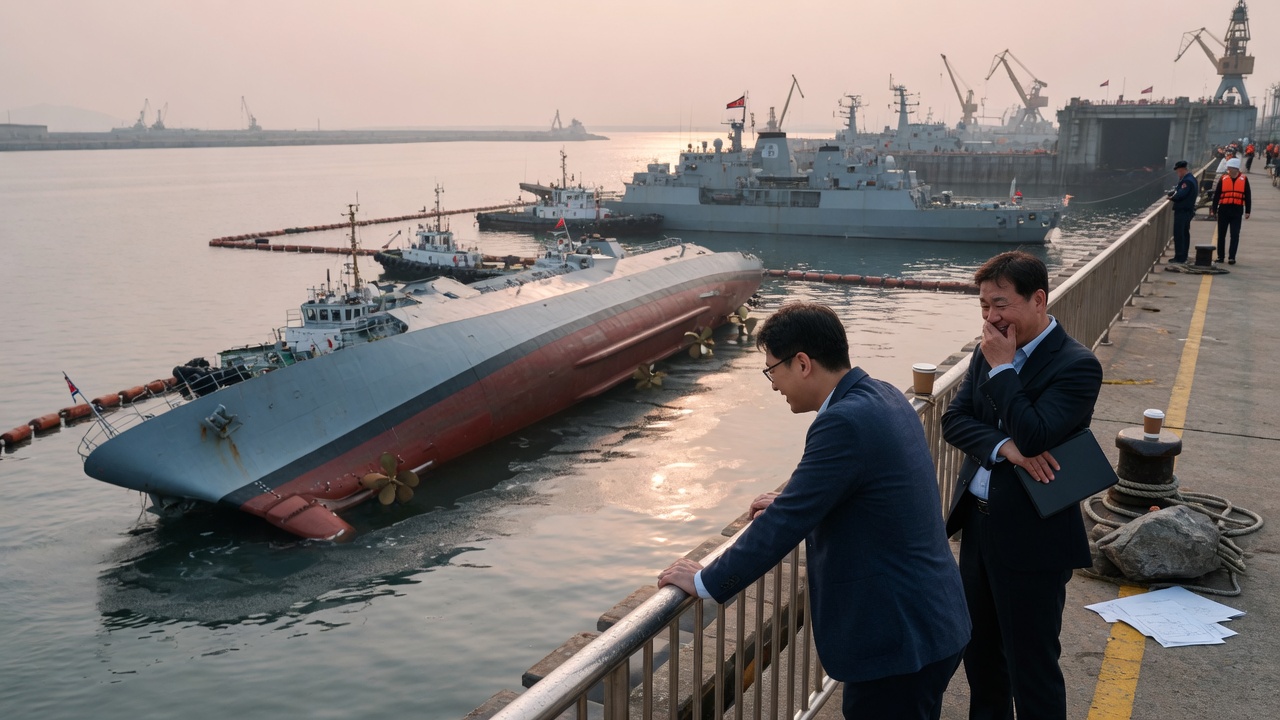
North Korea’s destroyer capsized on launch now deployed sounds like the ultimate cautionary tale for anyone who’s ever pushed a buggy release to production because the deadline was sacred. In a world where naval engineering meets the bureaucratic shrug of “it’ll be fine,” the story bridges high-stakes hardware mishaps to everyday IT launches that tip over yet somehow join the fleet.
The Naval Fiasco Meets The ‘Ship It’ Culture
Picture the scene: a brand-new destroyer slides sideways during its maiden voyage and ends up half-submerged, only to be declared operational anyway. Sound familiar? This mirrors the classic IT scenario where a cloud infrastructure rollout flops spectacularly but gets greenlit because leadership insists the metrics will catch up later. The same “launch first, fix later” mindset that turns a capsized warship into fleet material keeps half-baked microservices running in production environments worldwide.
Infrastructure Lessons From A Capsized Warship
Real infrastructure failures rarely stay theoretical. When a North Korea destroyer capsized on launch now deployed, analysts noted the structural cracks that should have halted everything. Translate that to data centers and you get overloaded racks, misconfigured load balancers, and single points of failure that teams swear they’ll patch in the next sprint. The lesson is simple: buoyancy checks matter as much for Kubernetes clusters as they do for 10,000-ton warships.
Key Parallels In Tech Deployments
- Overconfident stability tests that ignore real-world conditions.
- Chain-of-command pressure overriding engineering red flags.
- Post-launch “we’ll monitor it” promises that rarely survive the first outage.
Cybersecurity Parallels When Defenses Flip Over
Even the security angle feels eerily familiar. A capsized vessel offers attackers an easy boarding point, much like a rushed software launch exposes APIs and data pipelines to opportunistic threats. Organizations that treat security as an afterthought end up with their own version of a fleet asset that’s technically deployed but practically defenseless.
In the end, whether it’s North Korean naval prestige or your quarterly OKRs, the temptation to declare victory over a tilted project remains universal. Just remember: once it capsizes, the only thing left is the paperwork claiming everything is still afloat.