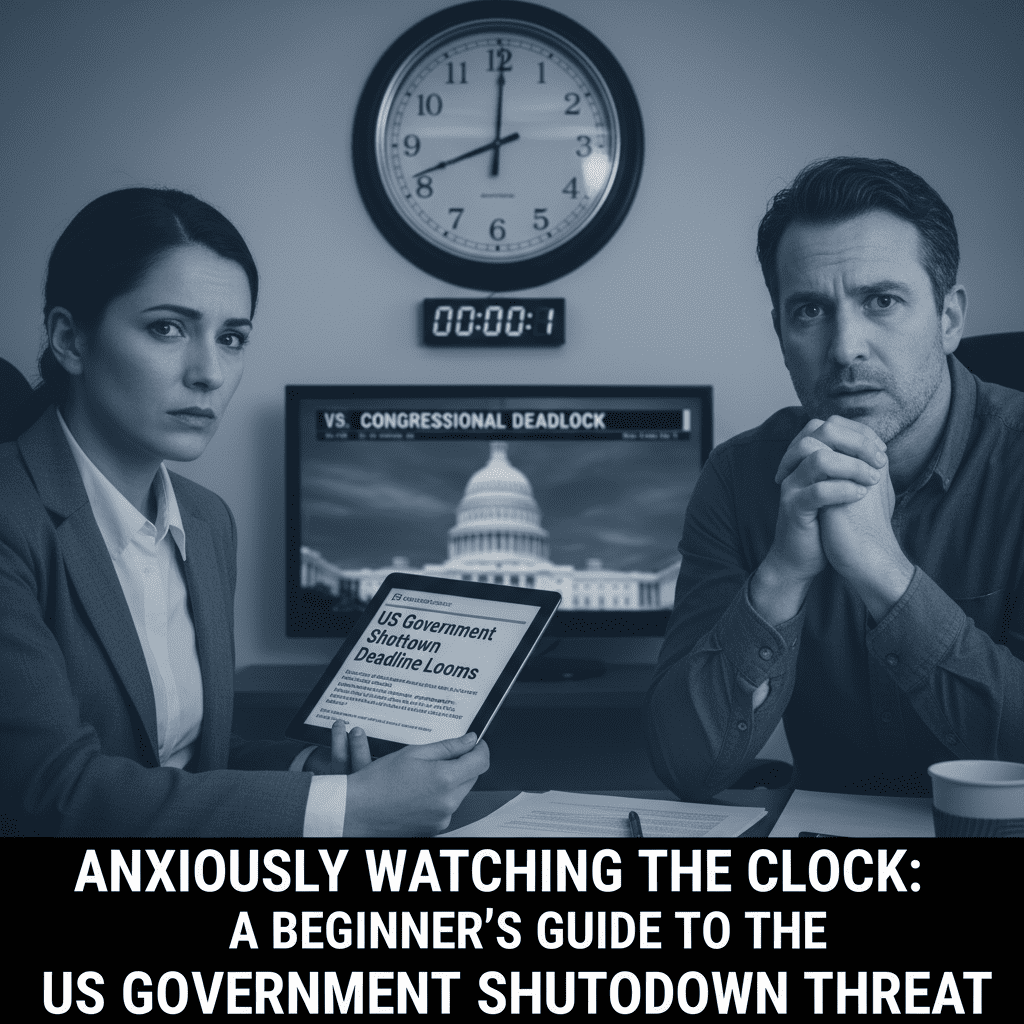
Ah, that familiar chill in the air. No, not autumn—it’s the season of the US government shutdown threat. It arrives with the regularity of a software update you keep postponing, a recurring calendar event for national anxiety. For those new to this particular brand of political theater, it can feel like trying to understand the rules of a game where the players are making them up as they go. Let’s break down this bureaucratic game of chicken, shall we?
So, What’s a Shutdown, Really?
Think of the U.S. government as a massive subscription service. Congress, the folks in charge of the credit card, must approve the annual budget to keep the lights on. When they can’t agree on a spending plan by the deadline (usually the end of the fiscal year on September 30th), the card gets declined. The result? A “shutdown.” This doesn’t mean everything grinds to a halt. Essential services—like the military, air traffic control, and border security—keep running. They just might not get paid on time, which is like your boss saying, “Your work is critical, but that paycheck is… pending.”
Meanwhile, “non-essential” services get locked up. This includes:
- National Parks and Museums: Suddenly, your vacation plans to see Old Faithful are foiled by political gridlock.
- Passport Agencies: Hope you weren’t planning an impromptu international trip.
- Scientific Research: Many government scientists are sent home, pausing important work.
The Predictable Dance of Brinkmanship
The lead-up to a potential US government shutdown threat follows a script so well-worn it could be a syndicated sitcom. First, political leaders draw their lines in the sand, usually on cable news. Then, the countdown clocks appear, ticking ominously toward midnight. A flurry of last-minute negotiations ensues, often resulting in a “continuing resolution”—the political equivalent of hitting the snooze button, funding the government for a few more weeks or months and setting up the exact same showdown for later.
Why Does This Global Glitch Matter?
Beyond the domestic headaches, this recurring threat sends jitters through the global economy. The U.S. economy is the world’s largest, and the dollar is the foundation of international finance. When the management looks like it can’t agree on how to pay its bills, global markets get nervous. It creates uncertainty, which is the one thing investors hate more than lukewarm coffee. It’s a self-inflicted wound that makes the world’s most powerful economy look surprisingly dysfunctional—a high-stakes “did you try turning it off and on again?” for the entire planet.
Leave a Reply