
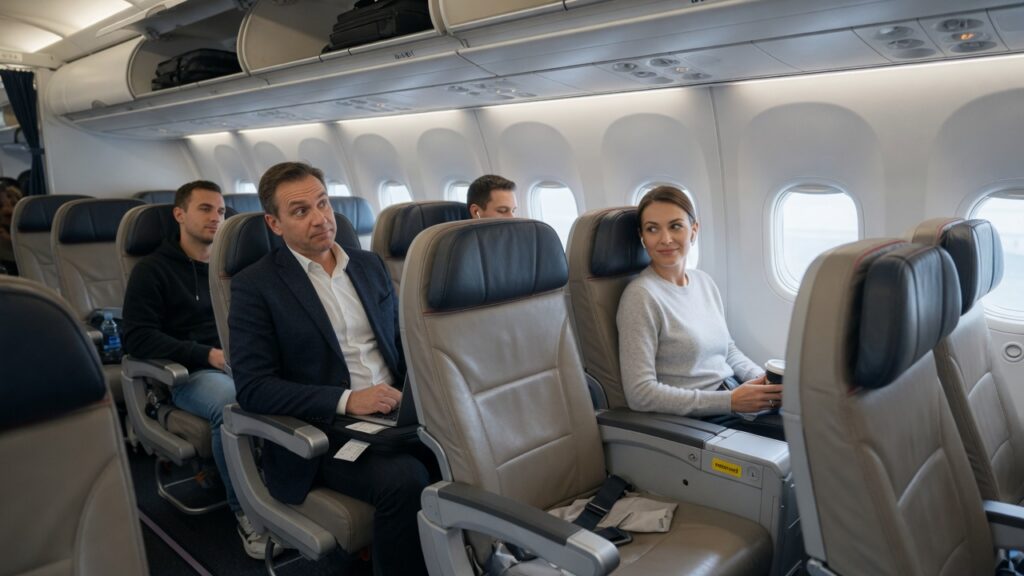
Budget airlines are extending their cost-cutting measures by introducing fees for empty middle seats, a practice that resonates with travelers’ frustrations over being seated next to overly talkative passengers while highlighting the growing absurdity of monetizing basic comfort. This shift connects directly to sophisticated IT infrastructures that power dynamic pricing and seat allocation across the aviation sector.
Data Analytics Fueling The Empty Seat Policy
Modern airlines rely on advanced revenue management software platforms hosted in cloud environments to analyze booking patterns, passenger data, and flight load factors in real time. These systems use machine learning algorithms to determine when charging for middle seats maximizes profits, transforming what was once standard seating into a variable revenue stream.
Infrastructure Behind Dynamic Pricing Decisions
The underlying technology involves integrated data centers and secure APIs that connect reservation systems with customer profiles. This infrastructure enables carriers to adjust policies based on demand forecasts, raising questions about data privacy and the ethical use of personal information in commercial investigations of travel options.
Strategic Implications For IT And Policy
For the IT industry, this policy underscores the role of enterprise software in optimizing airline operations while potentially straining consumer trust. As these systems scale, cybersecurity measures become critical to protect against breaches in booking databases that store sensitive travel details.
- Cloud-based tools allow rapid policy updates across global networks.
- Analytics dashboards provide executives with metrics on fee adoption rates.
- Regulatory scrutiny may increase around transparent data usage in pricing models.
Ultimately, passengers evaluating whether the airlines pay extra empty middle seat policy delivers value must consider how these tech strategies influence overall travel costs and comfort levels.