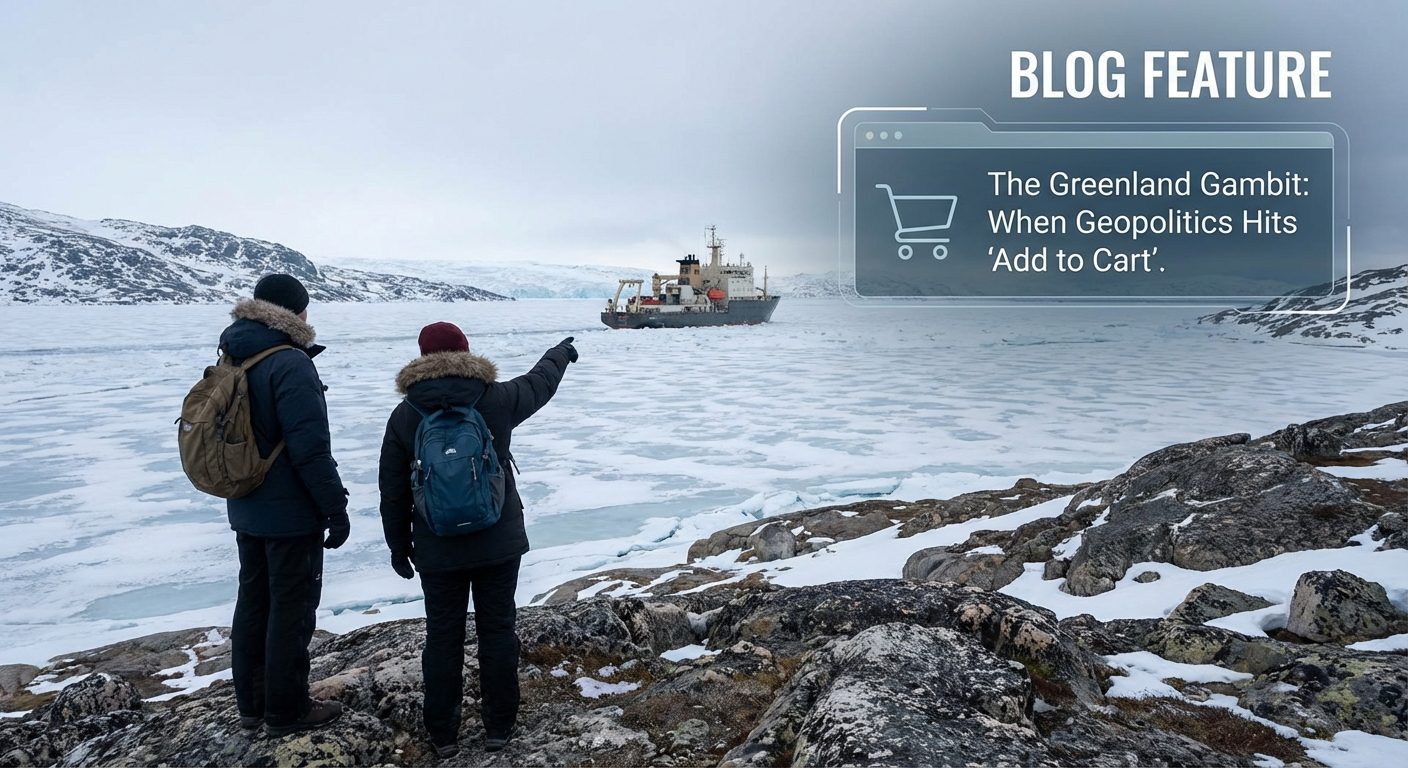
There are moments in international relations that feel less like carefully orchestrated diplomacy and more like someone accidentally hit “reply all” on a wildly speculative email. The 2019 proposal for the United States to purchase Greenland from Denmark was one of those moments. It was a geopolitical plot twist so abrupt, the entire world checked its newsfeed to make sure it wasn’t a typo. But behind the headline-grabbing absurdity was a fascinating glimpse into a transactional worldview colliding with the complex operating system of national sovereignty.
It’s Not Just Ice, It’s Strategic Ice
So, why the sudden urge to acquire the world’s largest island? It wasn’t just a desire for a national timeshare with better Northern Lights viewing. The interest was rooted in a few key geopolitical drivers that are less about real estate and more about system resources:
- Strategic Location: As climate change thaws the Arctic, new shipping lanes are opening up. Controlling Greenland is like getting admin rights to the internet backbone of future global trade routes. It also provides a crucial military vantage point in a region where Russia and China are increasingly active.
- Resource Riches: Beneath that picturesque ice sheet lies a treasure trove of rare earth minerals, essential for everything from smartphones to electric vehicles. It’s the geologic equivalent of finding out the dusty old server in the corner is actually packed with next-gen processors.
- The Monroe Doctrine 2.0: The move was a loud, unsubtle way of telling other global powers, particularly China, to stay out of America’s backyard—a backyard that apparently now extends to the Arctic Circle.
The International Relations ‘404 Not Found’ Error
The proposal was met with a reaction from Denmark and Greenland that can best be described as a polite but firm “404 Country Not Found.” The idea of selling a territory—and its autonomous population—is a concept from a bygone era, like trying to use a dial-up modem on a fiber network. Sovereignty, self-determination, and national identity aren’t line items on a balance sheet. The Danish Prime Minister called the idea “absurd,” which is the diplomatic equivalent of a support ticket being closed with the comment, “This request makes no sense.” It was a fundamental clash between a business mindset of asset acquisition and the modern reality of international law, where people and land aren’t for sale.
A Geopolitical Reboot
While the deal was dead on arrival, the incident successfully forced a global conversation. It was a system-wide alert that the Arctic is no longer a frozen afterthought but a critical hub of future competition. The attempt, however clumsy, rebooted the international community’s focus on the region’s importance. It was the ultimate hard reset on Arctic policy, reminding everyone that while you can’t buy a country, you can certainly make a bold, unforgettable statement about your strategic intentions. The transaction failed, but the message was delivered.
Leave a Reply