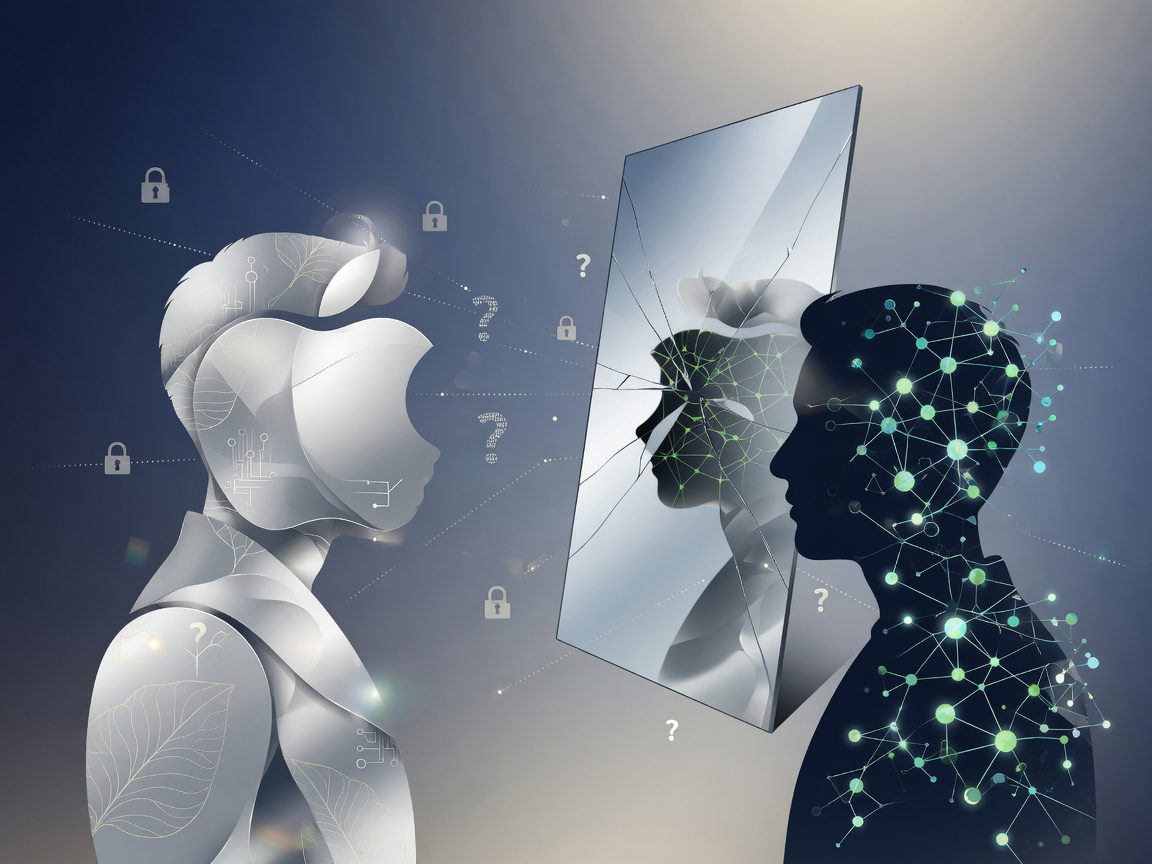
Apple Sues OpenAI: Silicon Valley’s Spy-vs-Spy Farce
In a plot twist straight out of a Cold War comic strip, Apple has filed a lawsuit against OpenAI, accusing the AI powerhouse of stealing trade secrets, poaching talent, and engaging in corporate espionage worthy of Maxwell Smart. The complaint, lodged in the Northern District of California, paints a picture of Silicon Valley as a playground for bumbling spies rather than visionary innovators. What began as a partnership flirtation has devolved into accusations of stolen Siri enhancements, leaked model architectures, and executives whispering in parking garages.
The Spark That Ignited the Lawsuit
The feud traces back to 2023 when Apple and OpenAI explored integration possibilities for ChatGPT into iOS. Initial talks were cordial, with Apple executives visiting OpenAI’s San Francisco offices under NDAs thicker than a spy novel. But things soured when Apple discovered that several key Siri team members had jumped ship to OpenAI, allegedly carrying proprietary voice recognition algorithms in their metaphorical briefcases.
Court documents claim OpenAI used these insights to accelerate features now mirrored in GPT-5 previews. “It’s not innovation; it’s infiltration,” reads one dramatic excerpt from Apple’s filing. OpenAI counters that talent mobility is standard in tech and that any similarities are coincidental, born from parallel research paths. The farce deepens with claims of hidden microphones in conference rooms and encrypted Slack channels mimicking spy tradecraft.
Espionage Tactics Alleged in the Complaint
Apple’s 87-page filing details a laundry list of cloak-and-dagger maneuvers:
- Talent Poaching Operations: Former Apple engineers allegedly received bonuses disguised as “relocation packages” while transferring code snippets via personal GitHub repos.
- Data Exfiltration: Screenshots of internal demos showing OpenAI replicating Apple’s on-device AI processing techniques.
- Surveillance Allegations: Emails suggesting OpenAI hired private investigators to tail Apple supply chain partners in Asia.
This isn’t the first time Silicon Valley has seen such drama. Remember the Uber-Waymo autonomous vehicle theft saga? Or the endless Google-Oracle Java battles? Yet the Apple-OpenAI spat stands out for its theatrical absurdity, complete with references to “double agents” and “honey traps” in legal footnotes.
Industry analysts are having a field day. “This reads more like a Mad magazine parody than a serious legal document,” notes tech commentator Kara Swisher in a recent podcast. Meanwhile, stock prices for both companies dipped 3% on filing day before rebounding on speculation of a quick settlement.
Broader Implications for AI and Big Tech
Beyond the laughs, the lawsuit highlights critical tensions in the AI arms race. As generative models race toward AGI, companies guard their IP like nuclear codes. Apple’s move could set precedents for non-compete enforcement in California, where such clauses are largely banned. It also raises questions about open-source AI’s future—will rivals like Google and Meta face similar suits if they hire from OpenAI?
Consumers stand to lose if the feud stalls innovation. Imagine delayed Apple Intelligence features or restricted ChatGPT access on iPhones. Regulators in Washington are already circling, with the FTC signaling interest in how these battles affect competition.
The spy-vs-spy angle resonates because both firms thrive on secrecy. Apple’s legendary product launches involve sealed rooms and decoy prototypes. OpenAI, despite its “open” name, keeps frontier models under wraps. Their collision was inevitable in an ecosystem where partnerships blur into rivalries overnight.
Expert Reactions and Industry Fallout
Legal experts predict a protracted battle. “Discovery alone will unearth enough emails to fuel a Netflix miniseries,” says Stanford law professor Mark Lemley. Venture capitalists worry about chilled investments in AI startups wary of Big Tech litigation.
On social media, memes abound: Elon Musk (no stranger to OpenAI drama) tweeted a cartoon of Tim Cook and Sam Altman in trench coats exchanging USB drives. Employees at both firms report tense all-hands meetings, with HR distributing “no-comment” scripts for media inquiries.
Yet beneath the farce lies serious stakes. If Apple prevails, it could slow OpenAI’s momentum and bolster Apple’s hardware-AI moat. A loss might expose vulnerabilities in Apple’s talent retention strategies. Either way, the case underscores how personal ambitions and corporate paranoia fuel tech’s underbelly.
Looking Ahead: Will They Settle or Escalate?
Settlement talks are rumored, possibly involving cross-licensing deals or joint ventures. But with egos this large, a trial could drag into 2026, complete with courtroom theatrics and expert witnesses demoing AI “spies.”
For now, Silicon Valley watchers should stock up on popcorn. This lawsuit isn’t just about code—it’s a mirror to an industry where collaboration and competition dance a dangerous tango. As the old spy saying goes: Trust no one, especially not your former partners.
In the end, the real winners may be the lawyers billing by the hour and satirists chronicling every twist. Apple’s suit against OpenAI reminds us that even in the age of artificial intelligence, human folly remains the most entertaining variable. Stay tuned for the next episode in this ongoing Silicon Valley soap opera.
Leave a Reply