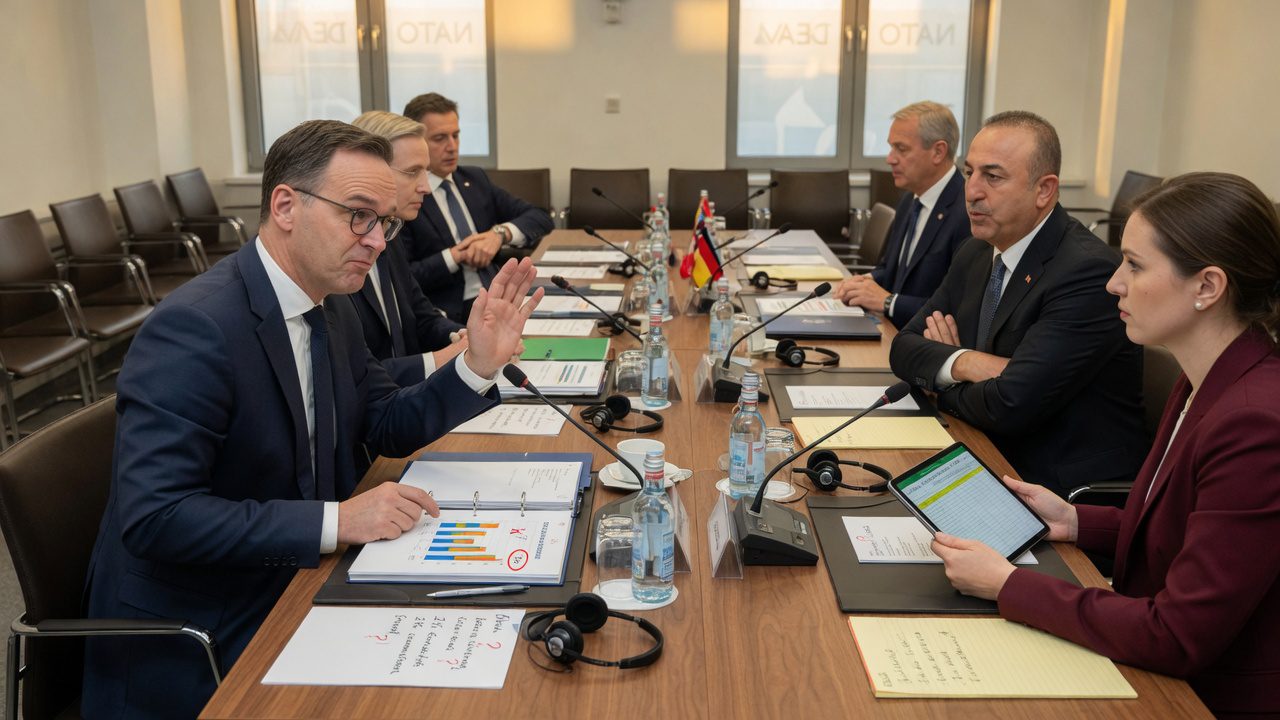
NATO Summit Drama: Allies Dodge Defense Spending Bills
The recent NATO summit in Brussels exposed deep fractures among alliance members over defense spending commitments. While leaders gathered to reaffirm collective security against Russian aggression and emerging threats from China, behind closed doors the conversation turned contentious. Several key allies appeared reluctant to fully commit to the long-standing 2% of GDP defense spending target, sparking accusations of freeloading and raising questions about the alliance’s future viability.
Background on NATO Defense Spending Targets
Established in 2014 at the Wales Summit, the 2% guideline was meant to ensure equitable burden-sharing among the 32 member nations. The United States has consistently shouldered the largest portion, contributing over 3.5% of its GDP to defense. In contrast, many European members have lagged behind despite repeated pledges. Data from NATO’s own reports show that only about a dozen countries met or exceeded the target in 2023, with Germany, Canada, and Italy among the notable shortfalls.
This summit was supposed to celebrate progress, particularly after increased European spending following Russia’s invasion of Ukraine. Instead, it highlighted ongoing evasion tactics, including creative accounting and delayed timelines for reaching the benchmark.
Key Moments of Tension at the Summit
US officials, led by the Biden administration’s representatives, pressed hard for firm commitments. One senior diplomat reportedly described the negotiations as “a bill that keeps getting passed around the table.” European leaders countered with arguments about economic pressures from inflation and energy costs, insisting their contributions in kind—such as hosting troops or providing logistical support—should count more heavily.
Poland and the Baltic states emerged as vocal supporters of stricter enforcement, having already surpassed the 2% mark in response to regional threats. Meanwhile, larger economies like France and Spain pushed for flexibility, proposing alternative metrics focused on capability development rather than raw spending percentages.
The drama peaked during a closed session where proposals for penalty mechanisms, such as restricted access to joint procurement programs, were floated but ultimately tabled due to lack of consensus.
Countries Leading the Dodge
- Germany: Despite announcing a special defense fund, actual spending remains below target when adjusted for inflation. Critics argue the fund is being used for non-military infrastructure.
- Canada: Long criticized for minimal contributions, Ottawa’s latest budget showed no clear path to 2% by 2030.
- Turkey: Focused more on domestic priorities and regional influence, Ankara continues to hover around 1.5%.
These patterns suggest a strategic avoidance rather than outright refusal, with allies emphasizing qualitative improvements over quantitative targets.
Implications for Global Security and Tech Innovation
Failure to meet spending goals could weaken NATO’s deterrence posture at a critical time. With hybrid threats including cyberattacks and space-based capabilities on the rise, underfunded members risk falling behind in critical technologies like AI-driven defense systems and secure communications networks.
The US, as the primary funder of many shared R&D initiatives, may increasingly tie tech transfers to verified spending compliance. This could slow collaborative projects in areas such as quantum encryption and autonomous drones, benefiting adversaries who invest more aggressively.
Expert Reactions and Future Outlook
Analysts from think tanks like the Atlantic Council warn that sustained dodging erodes trust. “The alliance thrives on credibility,” noted one defense expert. “If members keep passing the check, the US public support for NATO could wane.”
Looking ahead, the next summit in 2025 will likely revisit these issues with potentially stricter reporting requirements. Until then, the drama underscores that while NATO remains united in rhetoric, the financial realities reveal persistent divisions.
In an era of great-power competition, resolving this bill-dodging dynamic is essential not just for military readiness but for maintaining technological edges in defense innovation. Allies must decide whether shared security is worth the full price tag.
Leave a Reply