
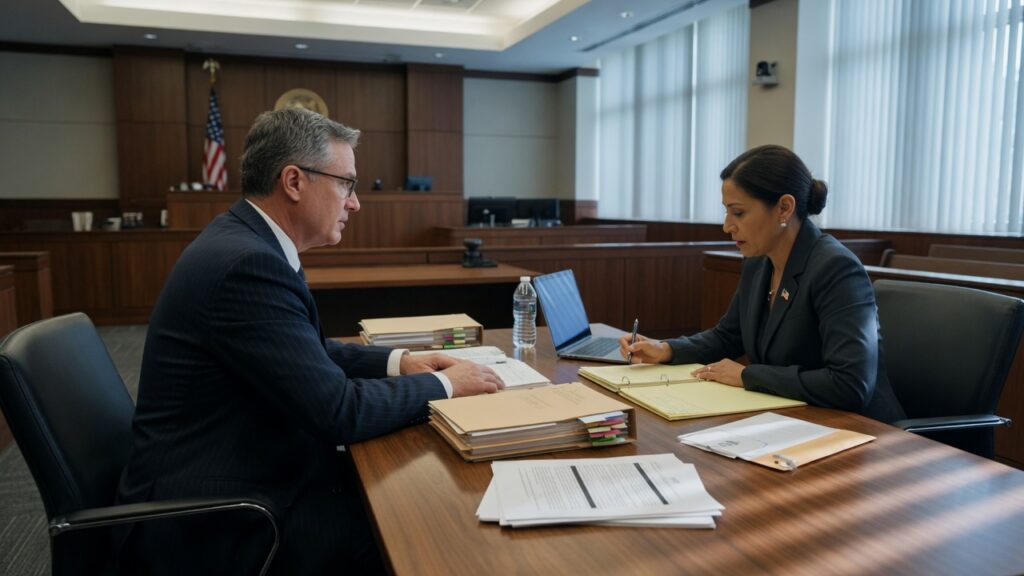
Imagine waiting at the DMV for 27 years just to get your license renewed, except the line involves military tribunals, classified servers, and enough red tape to wrap the entire Pentagon. That is essentially the vibe around the 9/11 trial date 2028 what took so long saga, where even basic tech upgrades seem to move slower than dial-up internet.
The Endless Paper Trail Meets Modern Data Centers
Legal proceedings in military commissions still rely on fragmented systems that predate cloud computing, making evidence sharing feel like mailing floppy disks across continents. While commercial data centers now spin up secure environments in minutes, these tribunals crawl along with legacy infrastructure that turns every document review into a multi-year procurement nightmare.
Why Tech Infrastructure Keeps Losing The Race
Bureaucratic approval chains for cybersecurity tools and secure collaboration platforms add layer after layer of delay. Instead of leveraging encrypted cloud solutions that could handle massive evidence troves with audit logs, teams are stuck patching together on-premise servers that were cutting-edge around the Bush administration.
Policy Implications For Future Justice Systems
This case highlights how outdated tech policy in government institutions creates real-world bottlenecks, from stalled digital forensics to endless classification reviews. Faster adoption of standardized infrastructure could shorten similar timelines, but only if lawmakers treat legal tech modernization as seriously as they treat server rack cooling.
- Streamlined secure cloud access for cleared personnel
- Automated evidence tagging to replace manual reviews
- Unified data governance rules across agencies
In the end, the 9/11 trial date 2028 what took so long story serves as a cautionary tale: even the most serious cases cannot escape the gravitational pull of slow-moving bureaucracy when infrastructure upgrades require more signatures than the evidence itself.