
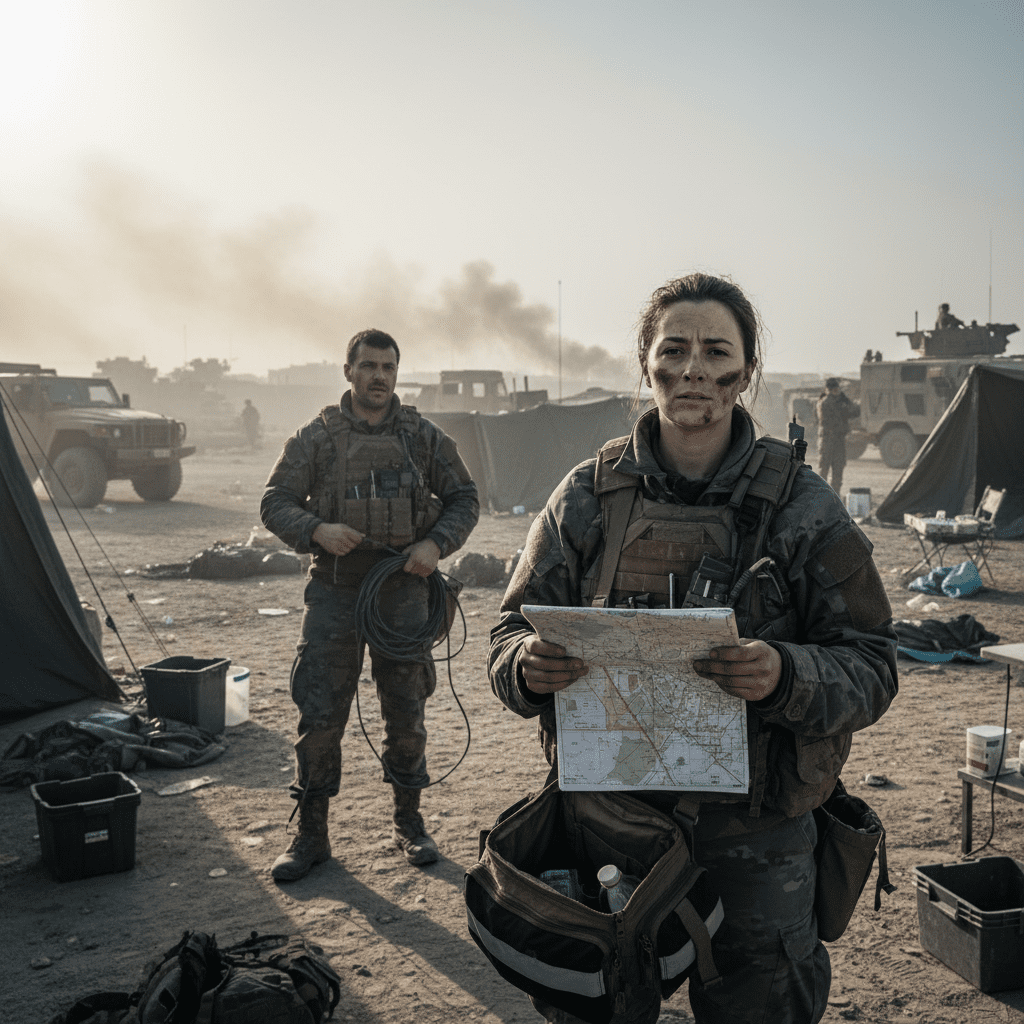
Ever watched world leaders scramble to draft a 10-point ceasefire agreement and thought, ‘Wow, this looks exactly like the Slack channel during a Friday night server outage’? If so, you are not alone. The parallels between geopolitical crisis management vs IT deployment are eerily accurate. Both involve high-stakes negotiations, frantic midnight coffee runs, and someone furiously trying to push a hotfix before the whole system crashes.
The 10-Point Plan is Just Glorified Patch Notes
When a crisis hits, diplomats rush to publish a comprehensive 10-point plan. In the IT world, we call this the ‘Incident Response Strategy.’ Both documents are drafted by exhausted people in a windowless war room, feature vague bullet points like ‘de-escalate tensions’ (or ‘reduce server load’), and are immediately ignored by the underlying infrastructure.
Conflicting Reports and Phantom Logs
During a geopolitical scramble, news outlets report five different versions of reality. Has an agreement been reached? Is a red line crossed? This is the exact same energy as checking three different monitoring tools and seeing completely different error rates. Your main dashboard says the servers are fine, but the cloud provider is throwing a tantrum, and Customer Support is screaming that nothing works. In both diplomacy and IT, the truth is usually somewhere in the middle—and mostly involves caching issues.
The Inevitable Rollback
Eventually, both sides agree to a temporary pause. In geopolitics, it is a ceasefire. In tech, it is the dreaded rollback. You revert to the previous stable state, cross your fingers, and promise to figure out what actually broke on Monday morning. Here are the key indicators that you are in a rollback scenario:
- Everyone is nervously staring at a live dashboard.
- There is a lot of ‘let us monitor the situation closely’ being thrown around.
- No one wants to touch any buttons until the sun comes up.
So, the next time you see a 36-hour scramble on the global stage, pour one out for the diplomats. They are basically just trying to merge a pull request while the staging environment is actively on fire. And if you are an IT professional, take comfort in the fact that your Friday night deploy is essentially international diplomacy. Just with fewer press conferences and more cold pizza.